Uisge Beatha
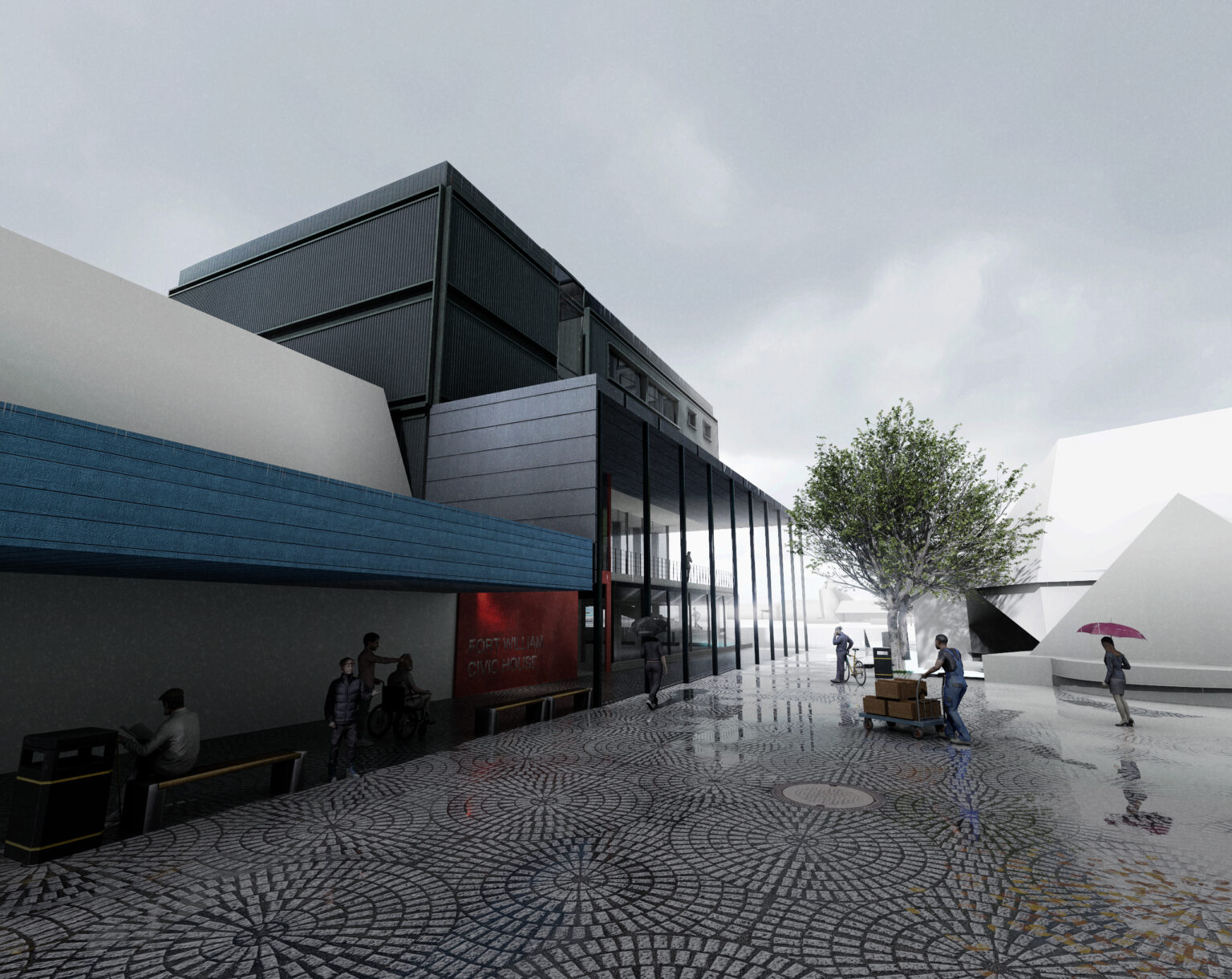
In the rugged Highlands of Scotland lies Fort William, a region of dramatic landscapes and rich history, once a key player in Scotland’s industrial revolution, thriving as a hub for stone masons, coopers, and craftsmen, industry. However, the decline of traditional industries has led to economic and cultural erosion. The High Street, now filled with outdoor gear shops catering to tourists, symbolises gentrification and the loss of civic identity. The region’s residents reflect a broader decline in architecture, culture, and opportunity. This project aims to explore how tourism, urban development, and cultural preservation can coexist in such a fragile environment. Inspired by Lochaber’s natural resources and the craftsmanship embedded in its history, this proposal envisions a lifelong crafts learning retreat. It’s not just a building, but a commitment to balance progress with conservation, modernity with history, and commercial interests with civic responsibility. The goal is to shift the dynamic from a tourist-consumer relationship to one of guest-host interactions. This project reimagines Fort William as a space that engages with the interdependencies between people, materials, and landscapes. Architecture can’t solve ecological crises, but it can intervene meaningfully within its limited scope, fostering a more sustainable and interconnected community.